Pavone is an easy-to-use platform for material scientists and biologists, meant to enable new material discovery, mechanobiology research and development of functional biomarkers in an easy-to-use, automated and high throughput format.
Pavone combines imaging and non-destructive, label-free topographical and surface mechanical characterization of soft and living samples.
Designed to be compatible with most in vitro and ex vivo models, Pavone can map local elastic and viscous properties of your samples, from hydrogels to cells to tissues, generating 10s of thousands data points a day.
Tissue Engineering
Pavone can support every step of your tissue engineering workflow. Characterize hydrogels, native and decellularized tissue, perform QC on your engineered structures and use mechanical properties to track the evolution of your system.
Drug Development
Clarify the mechanism of action of your drug candidates. Assess how different substrates properties relate to cell structure and drug uptake, how complex cells-ECM environment are remodeled or how cell contraction is altered after treatment, and more.
Disease phenotyping
Improve stratification of healthy and disease conditions of either in vitro or ex vivo models by adding a functional marker. Perform correlative analysis thanks to the integration of mechanics and multiple imaging modalities.
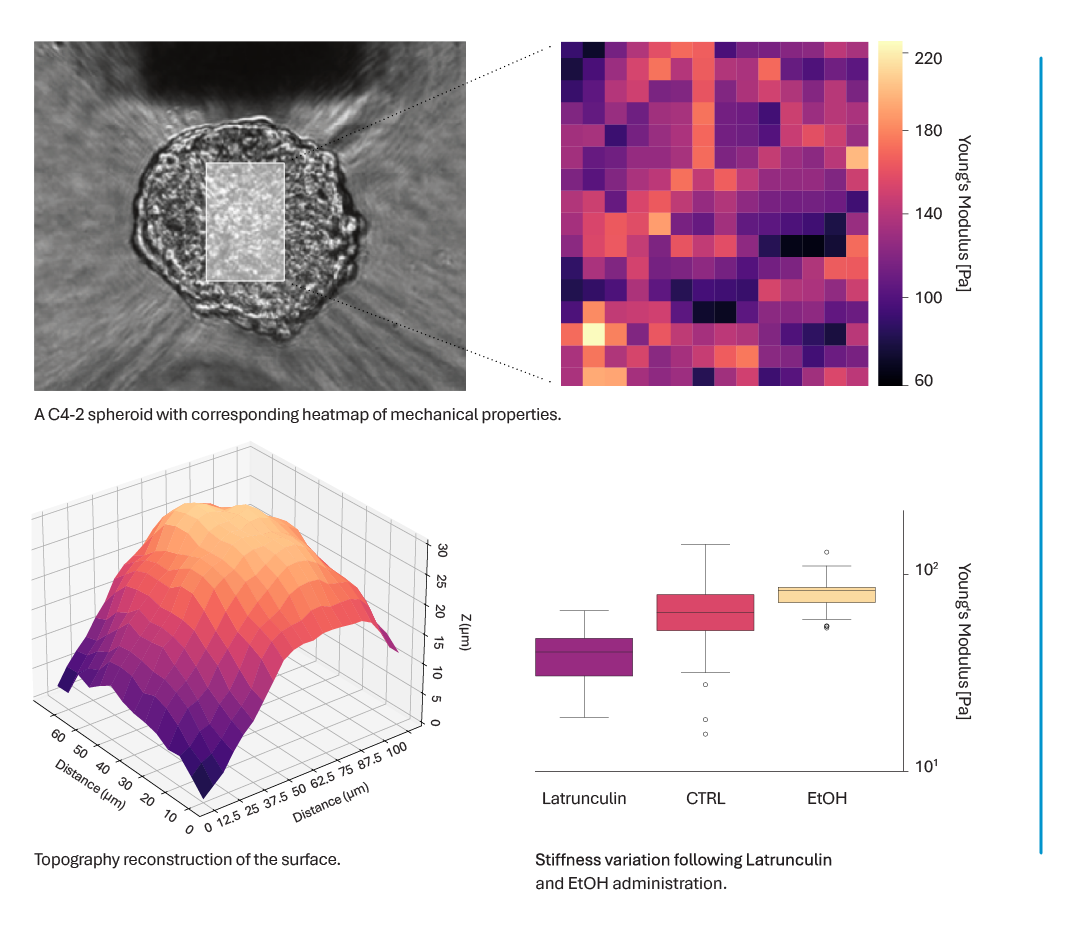
Mechanical properties dictate how a tissue functions, and play a key role in health and many diseases. Unlike traditional biochemical markers that reflect molecular changes, mechanical biomarkers reveal how tissues actually perform their biological functions.
Our technology has been featured in over 500 publications to date.
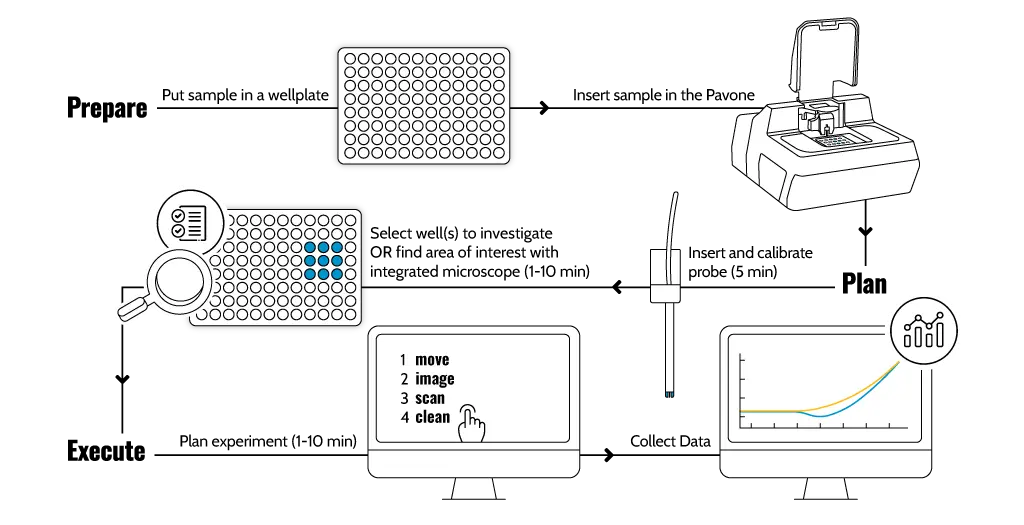
Design imaging and mechanical screening routines for your samples and let Pavone take care of the execution. Pavone can run experiments on up to two 384 well plates at the time, and adapts to glass slides, transwell inserts, petri dishes, and more.
Target specific objects or regions of interest via a simple touch interface, and extract advanced insight using Prova, our data analysis and reporting solution.
Pavone provides you with the flexibility to measure your sample of choice: from hydrogels and 3D printed constructs, to single cells, spheroids and organoids, to tissue sections.
Pavone provides you the flexibility to measure your sample of choice: from hydrogels and 3D printed constructs, to single cells, spheroids and organoids, to tissue sections.
To ensure Pavone can help you answer your scientific questions and adapt to your experimental needs, we built it as a modular platform.
Combine our base unit with:
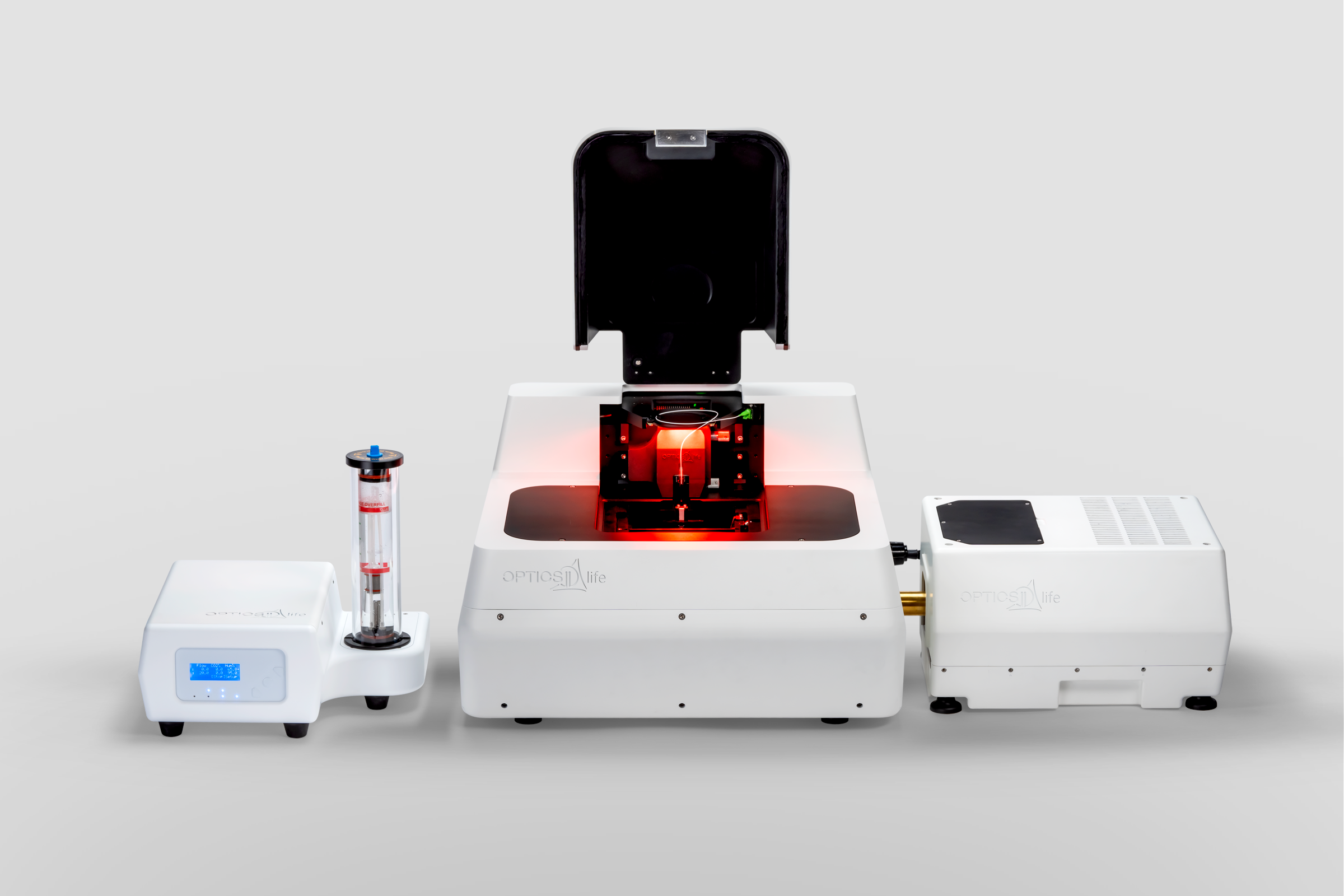
Pavone is a versatile tool for a range of applications, including the study of spheroids, organoids, hydrogels, the extracellular matrix (ECM), single cells, 2D cultures, and ex vivo tissues.
600 000 cells per engineered muscle bundle
0 – 100 Hz per well
capacity 24 × 4 wells = 96 tissues
Ready for use with incubator
Brightfield + fluorescence (inverted)
1 – 4200 µN
1 – 15 kHz (4 samples in parallel)
0 – 25 mA per sample (± 12 V)
17.5 × 15.3 × 5.2 cm (L x W x H)
Reusable & autoclavable
600 000 cells per engineered muscle bundle
0 – 100 Hz per well
capacity 24 × 4 wells = 96 tissues
Ready for use with incubator
Brightfield + fluorescence (inverted)
1 – 5 400 µN
1 – 15 kHz (4 samples in parallel)
0 – 50 mA per sample (± 12 V)
17.5 × 15.3 × 5.2 cm (L x W x H)
Reusable & autoclavable
Mechanobiology is a discipline that combines aspects of biology, chemistry, engineering and physics. It studies the relationship between physical forces, mechanical properties of tissues, and cellular behavior. These mechanical cues play a fundamental role in many processes, in both health and disease, embryo development and aging.
Pavone is designed to adapt to your model. Our customers successfully measured hydrogels, single cells and monolayers, tissue samples (from cryosections to various tissue biopsies), spheroid and organoid models, as well as organ on chip systems (open top or delaminated) or complex 3D models (such as full thickness skin models or bioprints).
Nanoindentation is a label-free and non-destructive technique, and Pavone measures the response of your system via reusable force sensors. No molecular probes or sample manipulation is typically required. Pavone can accomodate standard laboratory formats such as petri dishes, glass slides, chambered slides, as well as in wellplates (up to 384 wells), transwell inserts, and more.
Pavone measures the evolution of force in time on a sample, as well as its deformation. It is like a palpation, but fully quantitative and conducted at a microscopic scale. Such data, in combination with our analysis software, lets you retrieve several variables, from elastic to adhesive properties, to surface topography. This force vs deformation process takes less than a second, and can be repeated on many points, effectively generating an image where the contrast mechanism is any of the variable of interest.
For material scientists and biomedical engineers, Pavone represents the perfect platform to perform material discovery, and evaluate viscoelastic properties of large material libraries. Test hundreds of recipes a day, with fully automated sample-to-sample movement, minimal sample volume requirements, and evaluate parameters that are typically hard to quantify, such as hydrogel swelling in time, or homogeneity of a mix. Quantify mechanical and topographical properties of 3D printed and micromanufactured samples, coatings and more.
Pavone provides unique insights into biological processes that conventional, molecular-based assays cannot capture: mechanical changes are the result of several pathways and complex cell-environment interactions. These have a direct impact on cellular behavior (e.g. cell fate and migratory status), disease state (for example fibroblast activation status) and affect organ function (for example, one’s ability to breathe).
Measuring these cues can help identify compounds that modulate tissue mechanics for therapeutic development, with a strong body of evidence in fibrosis, solid tumors and aging. The noninvasive nature of the measurement enables longitudinal studies of the same biological specimens, revealing how mechanical properties evolve during development, disease, or treatment.
Pavone works on a similar principle, but it has been developed with a focus on ease of use and vastly higher throughput. The unique design of the force sensors allows for measurements in standard cultureware.
The data can directly be compared, when acquired with similar modalities and sensors, enabling you to expand from academic proof-of-concepts or exploratory results to large scale studies.

“The Pavone allows us to perform accurate mechanical measurements on spherical micrometer-sized materials, which has always been true challenge with other techniques. Moreover, the Pavone allows us to obtain spatially resolved mechanical maps of complex matter such as multi-materials or human tissues in a way that is both straightforward and easy to learn.”


“Pavone enables us to test different materials and get the data we wanted to get so far, with yields in the high-90% range. Calibration is very straightforward and much easier than traditional technologies [for mechanical characterization] . We’re able to get consistent measurements from day-to-day using the same probe. Pavone allows us to utilize mechanics in addition to transcriptional profiling to determine how the cell biology of our models compares to the cell biology within a patient.”

With the capacity to run up to 20.000+ measurements or approximately 400 experiments a day*, Pavone provides a high throughput platform that is optimized to fit into your biological workflow.
*Dependent on the complexity of the protocol. Contact us for more details on protocols and experiment designs.
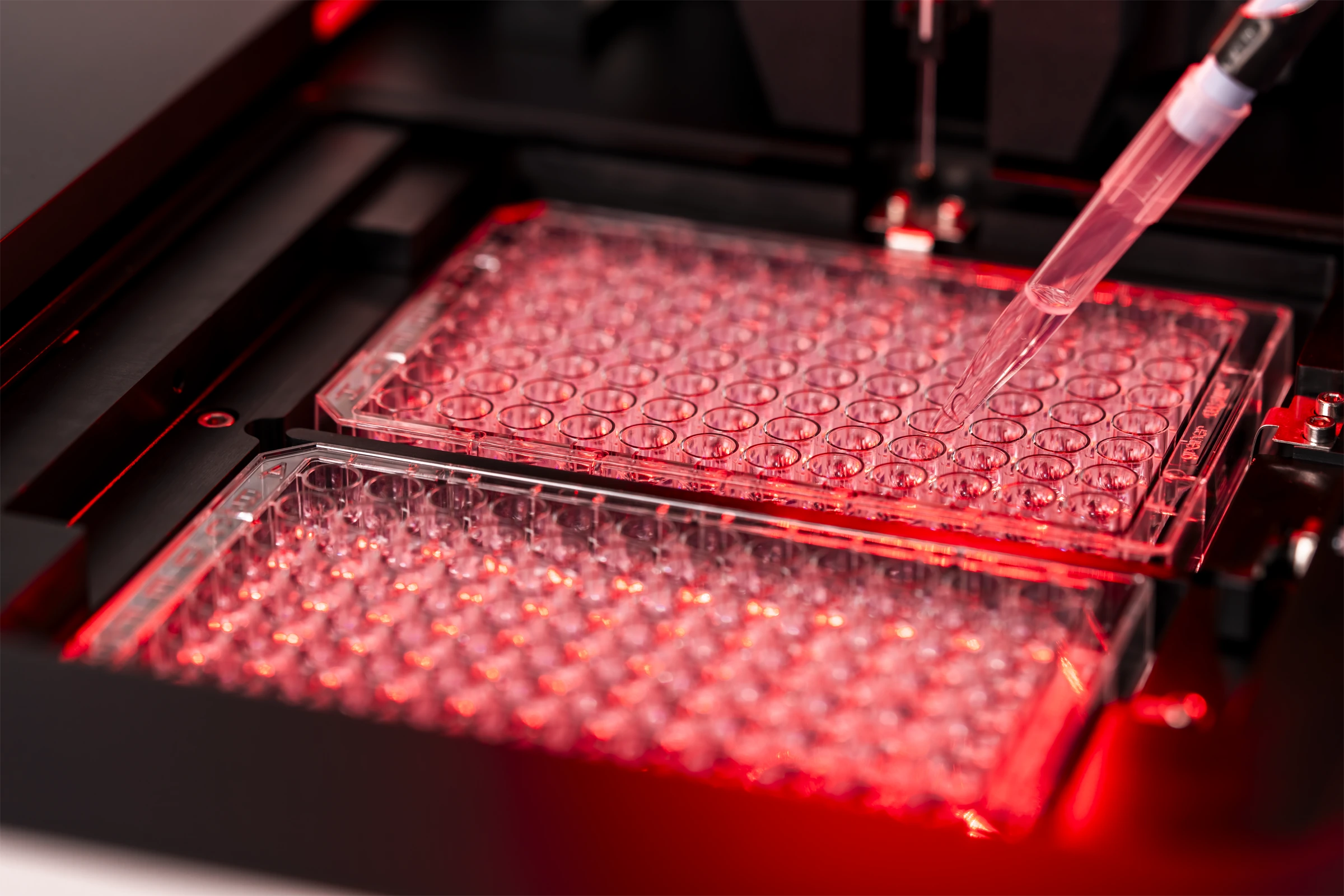
Measure soft (biological) materials in situ and under near physiological conditions, enabling repeated and non-destructive measurements on live samples over time. This allows the use of mechanics as a label-free biomarker in e.g., disease modeling, therapy development, regenerative medicine, and 3D in vitro modeling.
Experience adaptability within any experiment. Pavone is versatile like a Swiss pocketknife with the precision of a surgical blade; it allows high-resolution mechanical mapping from sub-cellular scale to whole tissue samples spanning up to 100cm2. This innovative approach provides researchers and scientists with a versatile and accurate tool for characterizing the mechanical properties of a wide range of biological samples. Pavone allows for automated mechanical measurements across scales and up to 5 orders of magnitude with a single probe.
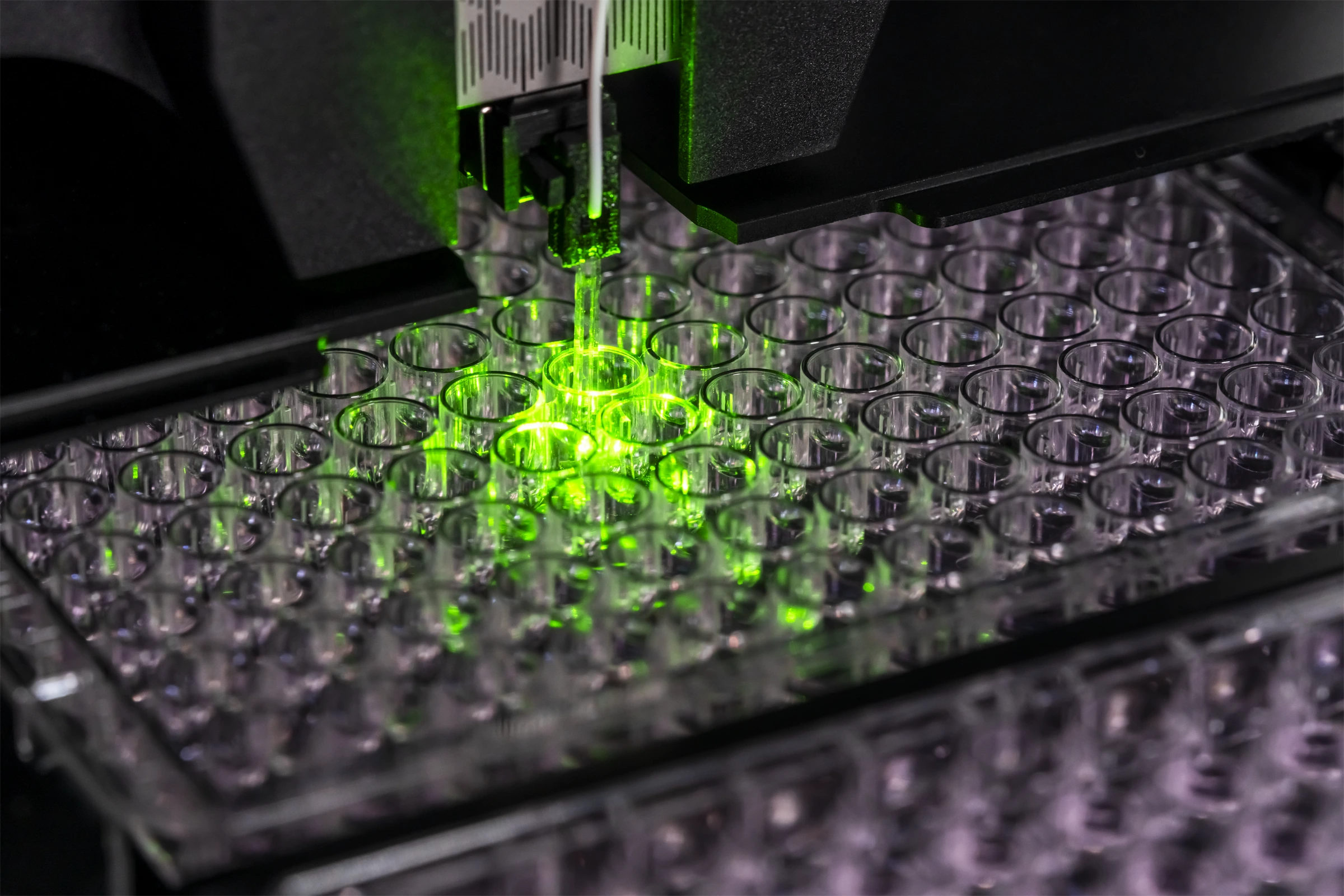
With just two days of training, an operator can start running experiments. Become an experienced user in approximately 3 weeks of regular use. Due to its innovative design and use of pre-calibrated probes, minimal operator involvement is required, providing users the freedom to program complex protocols, with automated execution. Save operation time while obtaining the results that you are looking for. As indicated by our users, it’s as easy as “I tap, I measure, I get.”
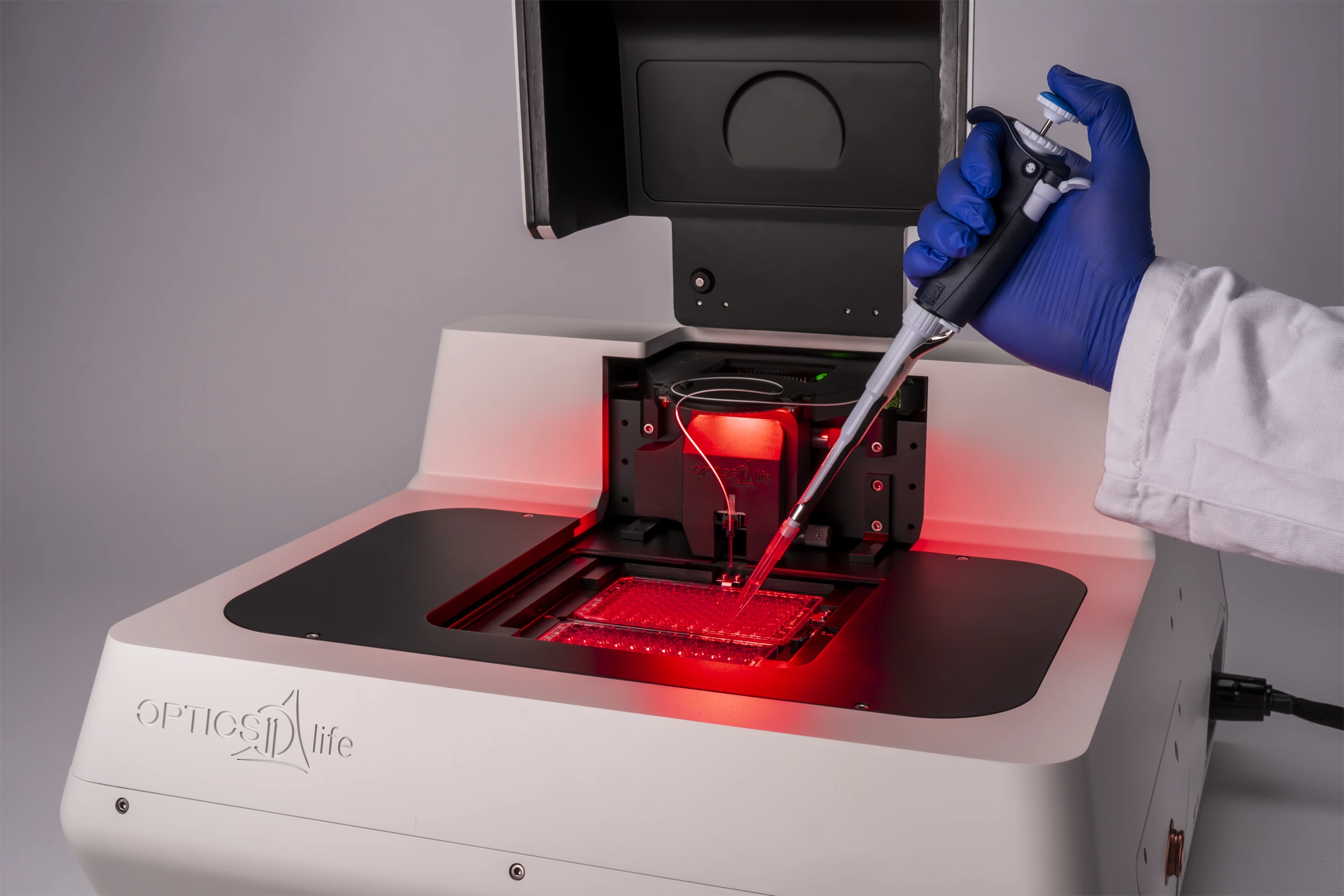
Pavone is a versatile tool for a range of applications, including the study of spheroids, organoids, hydrogels, the extracellular matrix (ECM), single cells, 2D cultures, and ex vivo tissues. It supports critical research in wound healing, in-vitro culturing, eye care, and regenerative medicine. Targeting disease areas, Pavone is pivotal in advancing our understanding of fibrosis, cancer, and neuromuscular disorders. For testing needs, it offers precise solutions in drug screening, functional assays, and degradability testing. Pavone is instrumental in mechanobiology research, equipping scientists with the ability to not only observe but to interact with the building blocks of life at a mechanical level, fostering a deeper understanding of cellular behavior and disease mechanisms.
Drug screening/toxicity
Degradability testing
Quality control
Mechanobiology research*

Prova is the software that turns your nano-indentation data into clear, shareable insights. Pre-installed on Pavone, Chiaro and Piuma, and available to download for your laptop, Prova lets you load and batch-analyse even the largest datasets with trusted mechanical models, extracting stiffness, adhesion and topography heat-maps, histograms and more. Collaborate effortlessly, thanks to the integrated PDF reporting function, and generate publication-grade figures with the customizable plotting and export options. Want to know more?
Prova is the software that turns your nano-indentation data into clear, shareable insights. Pre-installed on Pavone, Chiaro and Piuma, and available to download for your laptop, Prova lets you load and batch-analyse even the largest datasets with trusted mechanical models, extracting stiffness, adhesion and topography heat-maps, histograms and more. Collaborate effortlessly, thanks to the integrated PDF reporting function, and generate publication-grade figures with the customizable plotting and export options. Want to know more?

Whether your focus lies on mechanical measurements and characterization at the cell scale, or you work with muscle tissues, our platforms offer you precise, fast, and accurate outcomes. Discover more about how our products can help you accelerate and achieve your research goals.
With a wide range of application areas, across an array of samples, for various disease areas and testing needs, we can provide you with precise insights into mechanical cues to advance your translational research. Learn more about our applications here.
We are a growing team of 60+ passionate people, headquartered in Amsterdam, the Netherlands. Learn more about our journey so far, meet our team of professionals, and our career opportunities.
Resources
Contact