Optics11 Life has joined the MAGIC consortium, a European research initiative accelerating genetic therapy development for muscular dystrophies through advanced human muscle models and innovative gene therapy approaches.
MAGIC brings together research institutions, SMEs, and patient organizations from across Europe and beyond. The consortium is developing advanced humanized muscle models to improve the development and evaluation of gene therapies and genome editing strategies for rare neuromuscular diseases.
As one of three new partners joining the consortium, Optics11 Life will contribute its expertise in mechanobiology, 3D tissue engineering, and mechanical characterization of advanced in vitro models.
Measuring mechanical changes in muscular dystrophy
A key area of our contribution will be research related to Ullrich Congenital Muscular Dystrophy (UCMD).
Changes in tissue mechanics are an important feature of muscular dystrophies. Through our optical fiber sensing and nanoindentation technologies, researchers can quantify properties such as tissue stiffness and investigate how these mechanical changes relate to disease progression and potential therapeutic response.
By bringing mechanical measurements together with advanced human muscle models, the consortium aims to build a more complete picture of disease phenotype and provide more relevant ways to evaluate emerging therapies.
“At Optics11 Life, we are excited to join MAGIC and contribute our expertise in mechanobiology, 3D tissue engineering, and measuring mechanics and function of advanced in vitro models for neuromuscular disease research. We focus on measuring what cells feel, capturing the mechanical forces that drive cell behavior and disease progression, which is particularly relevant for muscular dystrophies,” says Svetlana Pasteuning, Scientific Business Development Manager, Optics11 Life
The addition of Optics11 Life, together with DiNABIOS and HOYA Consulting, strengthens the consortium as MAGIC moves into its next phase of technical development and translation.
We look forward to working with the consortium and contributing to the development of more human-relevant models and better tools for understanding and evaluating therapies for muscular dystrophies.
Read the full announcement on the MAGIC consortium website.
Learn more about mechanobiology
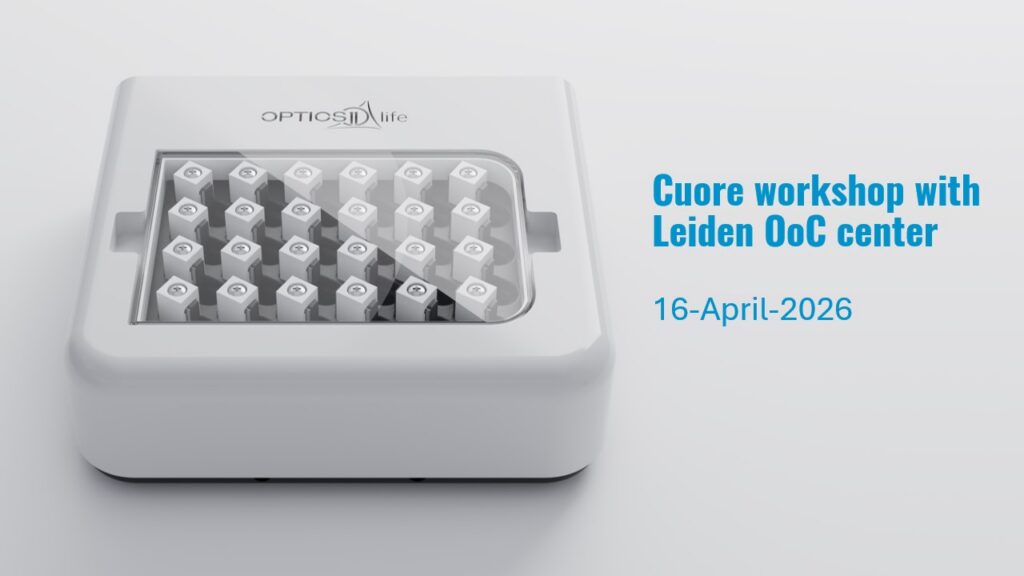
Curious how mechanics can transform your research? Explore our mechanobiology platforms Pavone, Cuore, Chiaro, and Piuma and see how quantitative mechanical insights can enhance your 3D models, disease studies, and drug screening. Click here to learn more about our products >>
Get in contact
Want to discuss your application? Get in touch with our team to explore which platform fits your research and to schedule a demo. Click here to get in contact with us >>